Vietnam S Editorial Team
Updated May 20, 2026 · 6 min read · 1 comments
A UNESCO-listed ancient town glowing with lanterns, tailor shops, and arguably Vietnam's best bowl of cao lau noodles.
Stat
Hoi An: Lanterns, Tailors, and Vietnam’s Most Romantic Ancient Town
There is a moment in Hoi An that every visitor remembers: the sun setting over the Thu Bon River, the sky turning violet, and hundreds of silk lanterns igniting along the waterfront, their reflections dancing on the water like fallen stars. It is a scene so beautiful it borders on cliché, yet it retains its power even after the millionth photograph. Hoi An is Vietnam’s most universally beloved destination, and for good reason.
Located on the flat coastal plain of Quang Nam Province, Hoi An was one of Southeast Asia’s most important trading ports from the 15th to 19th centuries. Japanese, Chinese, Dutch, Portuguese, and Indian merchants established warehouses, temples, and homes in the town, creating an architectural fusion that remains remarkably intact. The entire Ancient Town is a UNESCO World Heritage Site, protected from modern development and motor vehicles after 6 PM.
History & Architecture
Hoi An’s golden age began in the 16th century when Portuguese and Japanese traders arrived, followed by the Chinese Ming diaspora fleeing the Qing conquest. The town became a key node in the maritime silk route, exporting silk, ceramics, and spices to markets across Asia and Europe.
The architectural heritage reflects this cosmopolitan past. Japanese Covered Bridge (Chua Cau), built in the 1590s, features a pagoda at its midpoint and statues of a dog and monkey at either end — reportedly because construction began in the Year of the Monkey and ended in the Year of the Dog. Chinese Assembly Halls (Phuc Kien, Quang Dong, Trieu Chau) display elaborate carvings, incense coils, and courtyards that function as both temples and social clubs for Hoi An’s Cantonese, Hokkien, and Teochew communities.
The French colonial influence is visible in the yellow-painted shophouses with shuttered windows and arched balconies that line the streets. These buildings have been meticulously preserved, many converted into restaurants, boutiques, and cafes that maintain their historic facades.
Top Attractions
- Ancient Town Walking Tour: The entire town center is pedestrianized after 6 PM. Wander the lantern-lit streets, visit the Tan Ky Old House (a 200-year-old merchant residence), and cross the Japanese Covered Bridge.
- Full Moon Lantern Festival: On the 14th day of each lunar month, the town turns off all electric lights and illuminates the streets solely with silk lanterns. Local children in traditional dress perform folk games, and the river fills with floating candles. It is magical.
- An Bang Beach: A 10-minute bicycle ride from town, this wide beach offers clean sand, beach bars, and a relaxed atmosphere. Less developed than Cua Dai Beach and more appealing for long stays.
- Tra Que Vegetable Village: A traditional farming village 3 km from town where organic herbs and vegetables are grown in nitrogen-rich soil. Visitors can join farming experiences and cooking classes.
- My Son Sanctuary: A 1-hour drive into the mountains reveals the ruins of the Champa Kingdom’s religious capital, built between the 4th and 14th centuries. While smaller than Angkor, the red-brick towers are atmospheric and historically significant.
Tailoring & Shopping
Hoi An is Vietnam’s tailoring capital, with over 400 shops offering custom-made clothing at prices that seem impossible by Western standards. A well-fitted suit ($80–$150), silk dress ($40–$80), or leather shoes ($30–$60) can be produced within 24 hours. Quality varies enormously — research recommended shops (Yaly, Bebe, A Dong are consistently reliable) and request multiple fittings.
Beyond tailoring, Hoi An offers excellent ceramics (Thanh Ha Pottery Village), woodblock prints, silk lanterns, and hand-embroidered textiles. The Night Market along Nguyen Hoang Street is the best place to browse affordable souvenirs.
Food & Dining
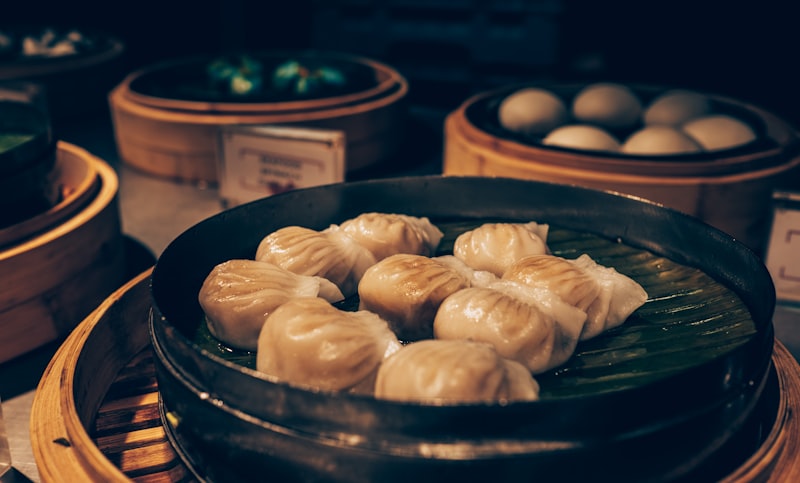
Hoi An has three dishes protected by geographical indication status. Cao lau is the most famous: thick rice noodles with pork, herbs, and croutons, made only with water from the Ba Le well. Banh mi Hoi An (best at Banh Mi Phuong) is arguably Vietnam’s finest sandwich. White rose dumplings (banh vac) are delicate shrimp-filled rice dumplings shaped like flowers.
The riverside restaurants offer atmospheric dining but variable quality. For exceptional food, seek out Morning Glory (Vietnamese classics), The Hill Station (hill-tribe ingredients), and the street food stalls along Tran Phu Street after dark.
Best Time to Visit
February–April offers warm, dry weather and blooming trees. September–November is the second-best window with mild temperatures and clear skies. The Full Moon Festival is worth planning around. Avoid October when heavy rains can flood the streets (the floods are photogenic but disruptive).
Getting There & Around
Hoi An is 30 km from Da Nang International Airport (45 minutes by taxi, $15–$20). There is no train station; the nearest is Da Nang. Within town, walking and bicycles ($1/day) are ideal. Electric shuttle buses connect the Ancient Town to An Bang Beach.
Where to Stay
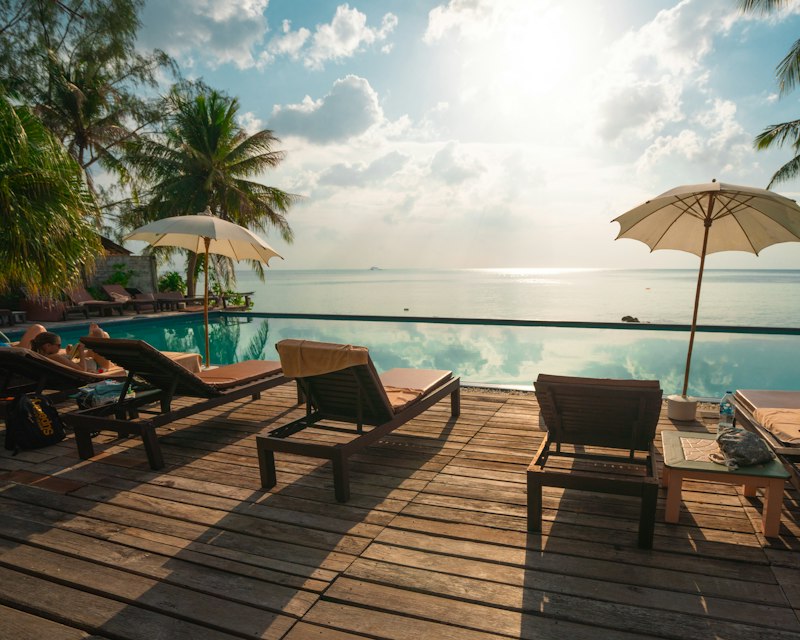
Ancient Town boutique hotels offer historic atmosphere but limited space and higher prices ($60–$150). An Bang Beach has resorts and homestays with pools and beach access ($40–$120). Riverside properties balance proximity and tranquility.
Insider Tips
- Rent a bicycle and explore the rice paddies and villages beyond the tourist center. The countryside is as beautiful as the town.
- Buy lanterns at the night market and release them on the river. The vendors will light them for you and photograph the moment.
- The tailors work fast but quality requires time. Order on your first day, fit on your second, collect on your third.
Final Word: Hoi An is Vietnam’s most photogenic, romantic, and accessible destination. It is also increasingly crowded and commercial. The key to loving Hoi An is to stay at least three nights, venture beyond the Ancient Town, and accept the tourist infrastructure as part of the experience. The lanterns are real, the history is genuine, and the cao lau is worth the flight.
Practical Information: Entrance Fees & Hours (2025)
- Hoi An Ancient Town Ticket: 120,000 VND (~$5) international adults; 80,000 VND Vietnamese; children under 15 free. Valid for entire stay, includes entry to 5 heritage sites.
- Tailoring (approximate): Custom shirts $15–40; dresses $40–100; basic suits $90–150; premium wool/linen suits $200–400. Turnaround 24–48 hours.
- Cooking Classes: Group classes $20–30/person; eco-tour (market + boat + farm) $35–55; private $55–85+.
- My Son Sanctuary: 150,000 VND, 6AM–5PM daily.
- An Bang Beach: Free, 24h.
Tip: The ancient town ticket is mandatory at checkpoints after 6PM. Pay once and keep the ticket for your entire stay. Order tailoring on day 1, fitting day 2, collect day 3 for best quality.
Tip
Planning a trip to Hoi An?
We partner with trusted hotels and tour operators. Book through our links and we earn a small commission — at no extra cost to you.
Advertisement
Google AdSense — Your ad here