Vietnam S Editorial Team
Updated May 20, 2026 · 7 min read · 0 comments
The pulsing economic heart of Vietnam, where rooftop bars, war history museums, and street food converge in tropical chaos.
Stat
Ho Chi Minh City: Vietnam’s Dynamic Southern Capital and Engine of Commerce
Formerly Saigon, Ho Chi Minh City is Vietnam’s largest metropolis, its economic engine, and its most cosmopolitan destination. Where Hanoi preserves the past in amber, Ho Chi Minh City charges toward the future with glass towers, luxury malls, and a startup culture that has earned it the nickname “Silicon Delta.” Yet beneath the modernity, the city retains a distinctly southern soul: open, entrepreneurial, irreverent, and obsessed with food.
Spread across the Saigon River delta, the city center is a dense grid of colonial boulevards, narrow alleyways (hẻm), and canals that have been paved over but not forgotten. District 1 is the tourist and commercial core, with the Opera House, Notre Dame Cathedral, Ben Thanh Market, and the backpacker enclave of Pham Ngu Lao. Districts 2 and 7 represent the city’s future: expat compounds, international schools, and shopping malls that would not look out of place in Singapore. Districts 3, 5, and 10 are where Saigon’s soul lives: street food stalls, family-owned cafes, and the Chinese heritage of Cholon.
History: From Saigon to Ho Chi Minh City
Saigon was the capital of French Cochinchina from 1862, and the colonial legacy is visible in the wide boulevards, opera house, post office, and grand hotels of District 1. The city became the capital of South Vietnam in 1954, and the American War transformed it into a military and economic hub. The 1975 fall of Saigon, captured in images of helicopters evacuating the U.S. embassy, marked the end of the war and the beginning of reunification.
The city was renamed Ho Chi Minh City in 1976, though locals still call it Saigon in daily conversation. The post-war period brought hardship, but Doi Moi reforms in 1986 unleashed the city’s entrepreneurial spirit. Today, HCMC generates 25% of Vietnam’s GDP and is home to the country’s largest concentration of international businesses.
Top Attractions
- War Remnants Museum: The most visited museum in Vietnam, and the most confronting. Exhibits on Agent Orange, the My Lai massacre, and civilian casualties are graphic and emotionally difficult but essential to understanding the war’s human cost. Allow 2–3 hours.
- Cu Chi Tunnels: A 75-km network of underground tunnels used by Viet Cong guerrillas, located 40 km northwest of the city. Visitors can crawl through 100-meter sections, view trap door demonstrations, and fire AK-47s at a shooting range. Touristy but historically significant.
- Notre Dame Cathedral & Central Post Office: Two masterpieces of French colonial architecture on Dong Khoi Street. The cathedral (currently under restoration) features red brick imported from Marseille; the post office, designed by Gustave Eiffel, still functions as a working postal facility with original maps and telephone booths.
- Ben Thanh Market: The city’s most famous market, a chaotic covered bazaar where you can buy everything from silk to coffee to knockoff electronics. The night market (after 6 PM) is more atmospheric and less frenetic.
- Jade Emperor Pagoda: A 1909 Taoist temple filled with intricate woodcarvings, statues of Taoist deities, and the pervasive scent of incense. One of the most atmospheric religious sites in the city.
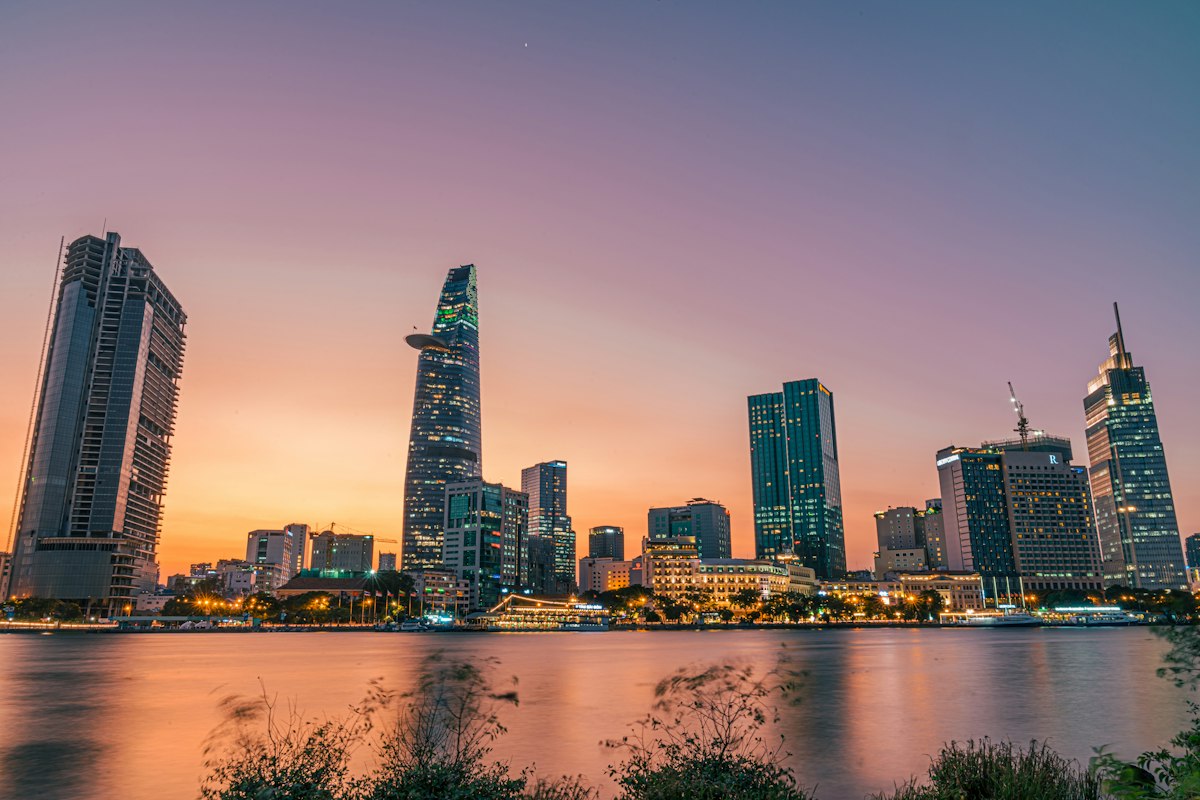
- Bitexco Financial Tower & Skydeck: The city’s most recognizable skyscraper, with a 49th-floor observation deck offering 360° views. The helipad, shaped like a lotus bud, is a striking architectural feature.
Food & Dining: The Best in Vietnam
Ho Chi Minh City is Vietnam’s culinary capital, drawing influences from across the country and integrating them into a distinctive southern style: sweeter, more herb-forward, and more boldly flavored than northern cuisine.
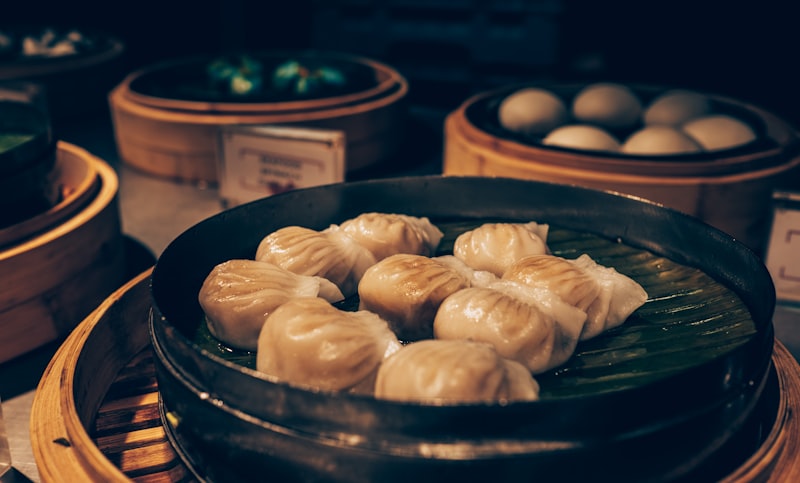
Hu tieu, a pork and seafood noodle soup with a clear, sweet broth, is the definitive Saigon breakfast. Banh mi reaches its most creative expressions here, with fillings ranging from pate and pork to fried eggs, sardines, and even ice cream. Com tam (broken rice with grilled pork, egg, and pickled vegetables) is the working-class lunch of choice.
The city’s dining scene spans every budget and ambition. Street food districts like Vinh Khanh Street (seafood), Nguyen Thuong Hien Street (snacks and desserts), and Co Giang Street (late-night eats) offer some of the best food in Asia at under $5 per meal. At the other extreme, restaurants like Anan Saigon (modern Vietnamese tasting menus), Pizza 4P’s (Japanese-Italian fusion), and The Refinery (French bistro) compete with Bangkok and Singapore for culinary innovation.
Nightlife & Entertainment
HCMC’s nightlife is the most diverse in Vietnam. Bui Vien Walking Street in Pham Ngu Lao is the backpacker hub: cheap beer, loud music, and a party atmosphere that runs until 3 AM. Thu Thiem, across the river from District 1, has rooftop bars with skyline views. District 3 and District 7 offer speakeasies, craft cocktail bars, and live music venues that rival any Asian metropolis.
For a uniquely Saigon experience, visit a quán nhậu — a Vietnamese drinking restaurant where groups share plates of seafood, grilled meat, and rice while drinking beer by the crate. The atmosphere is boisterous, the food is excellent, and the cultural immersion is total.
Best Time to Visit
December–April is the dry season with warm temperatures (25–32°C) and low humidity. May–November brings frequent afternoon downpours that can flood streets within minutes but also cool the city and clear the air. The Tet holiday (January/February) is culturally fascinating but many businesses close for a week.
Getting There & Around
Tan Son Nhat International Airport is 8 km from the city center (30 minutes by taxi, $6–$10). It is Vietnam’s busiest airport with connections across Asia, Europe, and Australia. The city has no metro (under construction, opening 2025–2027). Taxis, Grab motorbikes, and buses are the primary transport. Walking is viable in Districts 1 and 3 but challenging due to heat and traffic.
Where to Stay
District 1 is the tourist center with the widest range of accommodation ($20–$300). District 3 offers a more local experience with excellent food and colonial architecture ($25–$80). District 2 (Thao Dien) is the expat enclave with international restaurants and family-friendly apartments ($40–$150). District 5 (Cholon) immerses you in Chinese-Vietnamese heritage.
Insider Tips
- Eat street food at places with plastic stools, no English menu, and a crowd of locals. These are invariably better than restaurants with picture menus aimed at tourists.
- Visit the War Remnants Museum early (8 AM opening) to avoid crowds and heat. The content is heavy; plan a light activity afterward.
- The best coffee is not at trendy cafes but at sidewalk ca phe vỉa hè stalls where elderly men have been drinking the same brew for decades. Order ca phe sua da (iced coffee with condensed milk).
Final Word: Ho Chi Minh City is Vietnam’s most dynamic, contradictory, and essential urban experience. It is hot, noisy, chaotic, and utterly addictive. Stay at least four days, eat everything, and accept that you will never see it all.
Practical Information: Entrance Fees & Hours (2025)
- War Remnants Museum: 40,000 VND (~$1.55), 7:30AM–5:30PM daily. Audio guide 80,000 VND. Under 6 free; 6–15 half price.
- Cu Chi Tunnels (Ben Dinh): 110,000 VND, 7AM–5PM daily.
- Cu Chi Tunnels (Ben Duoc): 90,000 VND, 7AM–5PM daily. More authentic, less crowded.
- Independence Palace (Reunification): 40,000 VND, 8AM–4:30PM.
- Saigon Zoo & Botanical Gardens: 60,000 VND, 7AM–6:30PM.
- Bitexco Skydeck: 240,000 VND, 9:30AM–9:30PM.
- Ho Chi Minh City Museum: 30,000 VND, 8AM–5PM.
- Ben Thanh Market: Free, 6AM–10PM.
- Jade Emperor Pagoda: Free, 7AM–6PM.
Tip: Visit War Remnants Museum at 8AM opening to avoid crowds. Ben Duoc tunnels are more authentic than Ben Dinh. Most attractions accept cash only; carry small VND bills.
Tip
Planning a trip to Ho Chi Minh City?
We partner with trusted hotels and tour operators. Book through our links and we earn a small commission — at no extra cost to you.
Advertisement
Google AdSense — Your ad here