Vietnam S Editorial Team
Updated May 20, 2026 · 6 min read · 0 comments
The spiritual heart of the Mekong Delta — floating rice fields, Khmer pagodas with golden spires, and the mystical Sam Mountain overlooking Cambodia.
Stat
An Giang: Sacred Mountains, Floating Villages, and the Cham Frontier
In the far west of the Mekong Delta, bordering Cambodia along a frontier of rice paddies, mangrove swamps, and the slow-moving Bassac River, An Giang is one of Vietnam’s most culturally complex provinces. It is home to the Khmer Krom (ethnic Cambodians), a significant Cham Muslim community, ethnic Chinese, and Vietnamese settlers who have transformed the floodplains into one of the world’s most productive rice-growing regions. For travelers interested in religious diversity, ethnic encounter, and delta landscapes beyond the standard tourist route, An Giang is essential.
The province is dominated by two geographical features: the Thot Not palm forests of the northeast, and the Seven Mountains (Bảy Núi), a cluster of low peaks near the Cambodian border that rise from the delta plain like islands in a green sea. The mountains are sacred to Buddhists, Cham, and Cao Dai alike, and their slopes are dotted with pagodas, temples, and pilgrimage trails that attract millions of visitors during the lunar New Year.
History & Culture
An Giang was part of the Khmer Empire until the 18th century, and the Khmer Krom population retains its language, Theravada Buddhist religion, and architectural traditions. The Cham Muslim community, descendants of the Champa Kingdom refugees who fled Vietnamese expansion centuries ago, maintain their Islamic faith, Malay-influenced dress, and distinctive mosque architecture with minarets and crescent moons that stand in vivid contrast to the Buddhist pagodas nearby.
The province was a center of the Hoa Hao Buddhist movement, a reformist sect founded in 1939 that simplified rituals and rejected temple hierarchy. The Hoa Hao still constitute a significant political and religious force in the province, and their modest home-altar practice contrasts with the elaborate pagoda Buddhism of the ethnic Vietnamese majority.
Top Attractions
- Sam Mountain (Nui Sam): A 230-meter hill near Chau Doc town with 23 temples and pagodas along its slopes and summit. The most significant is the Ba Chua Xu Temple, dedicated to a local goddess whose statue was reputedly discovered on the mountain in the 19th century. The temple attracts millions of pilgrims during the lunar New Year festival. The climb takes 30 minutes and offers panoramic views over the Cambodian border.
- Tra Su Cajuput Forest: An 850-hectare flooded forest of melaleuca trees, mangroves, and bird sanctuaries accessible by wooden boat and narrow pathways. The best time to visit is the floating season (September–November) when the forest is submerged and birds nest in the canopy. A 25-meter observation tower offers panoramic views over the green canopy.
- Chau Doc Floating Village: A community of ethnic Cham and Vietnamese families living in houses suspended on stilts above the Bassac River. The village includes floating fish farms, mosques, markets, and schools. Boat tours navigate the waterways, offering insight into riverine life.
- Tuc Dup Hill (Two Million Dollar Hill): A network of caves and tunnels used as a Viet Cong base during the American War. The site includes memorials, reconstructed tunnels, and panoramic views over the rice fields.
- Long Xuyen City: The provincial capital, with a bustling riverfront market, colonial-era architecture, and the Ong Ho Pagoda, a Chinese Buddhist temple with elaborate ceramic mosaic work.
Religious Diversity
An Giang is Vietnam’s most religiously diverse province. The Khmer pagodas (chùa Khmer) feature distinctive multi-tiered roofs and Theravada Buddha images. The Cham mosques serve halal food and welcome respectful visitors. The Cao Dai temples, with their divine-eye symbolism and pastel colors, represent Vietnam’s most successful indigenous religion. The Hoa Hao practice their simplified Buddhism in homes rather than temples. This coexistence, while not without tension, is remarkable in a country where religious uniformity is often assumed.
Food & Dining
An Giang’s cuisine reflects its ethnic diversity. Khmer-influenced dishes include num banh chok (rice noodle soup with fish curry) and fermented fish dips. Cham Muslim restaurants serve halal beef curries, grilled chicken, and mam (fermented fish) dishes. Vietnamese delta specialties include bun ca Chau Doc (Chau Doc fish noodle soup), banh bot loc (tapioca dumplings), and a dizzying variety of tropical fruit desserts.
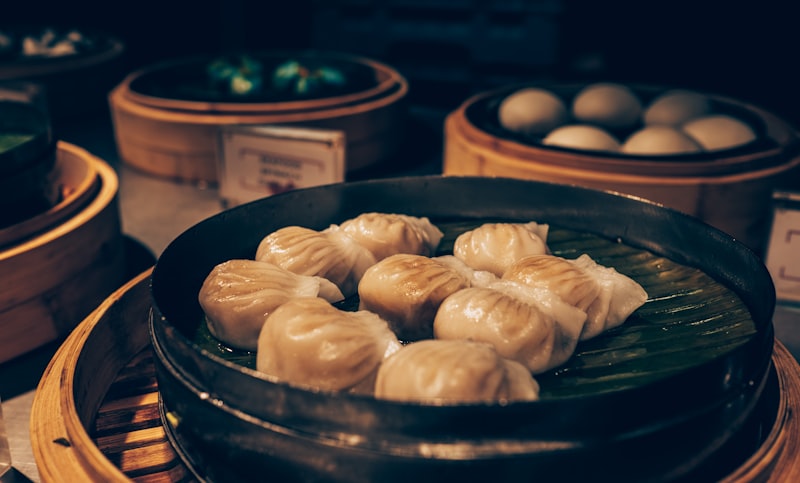
Chau Doc’s night market is the best place to sample the full range: Khmer noodle soups, Cham grilled meats, Vietnamese sweet soups, and Chinese-style dumplings, all within a few blocks.
Best Time to Visit
January–March is the dry season and the peak pilgrimage period for Sam Mountain. September–November is the floating season when Tra Su Forest is at its most beautiful. Avoid April–June when temperatures exceed 35°C and humidity is oppressive.
Getting There & Around
Chau Doc is 245 km from Ho Chi Minh City (5–6 hours by bus, $8–$12). The Victoria Chau Doc Hotel operates a speedboat to Phnom Penh (4.5 hours, $65), one of the most pleasant border crossings in Southeast Asia. Within the province, motorbikes ($6/day) and boats are the best transport.
Where to Stay
Chau Doc has the widest range, from budget guesthouses ($15–$25) to the colonial-era Victoria Chau Doc ($80–$120). Sam Mountain has basic pilgrim lodgings. Long Xuyen has functional mid-range hotels.
Insider Tips
- Climb Sam Mountain at dawn (5:30 AM) to avoid crowds and heat. The views over the delta at sunrise are extraordinary, and the temples are peaceful before the tour buses arrive.
- Take the speedboat to Phnom Penh rather than the bus. The river journey through the Mekong delta and into Cambodia is one of the most scenic border crossings in Asia.
- Visit Tra Su Forest with a local guide who can identify bird species and explain the forest’s ecological significance.
Final Word: An Giang is Vietnam’s most culturally complex province, and one of its most rewarding for travelers willing to look beyond the standard delta itinerary. The combination of religious diversity, ethnic encounter, and natural beauty makes it an essential destination for anyone seeking the deeper Mekong.
Practical Information & Costs
Tra Su Cajuput Forest: Open 6:30AM-6PM daily (until 6:30PM Sat-Sun). Entrance 120,000 VND. Optional motorboat 70k; rowing boat 70k. Full combo (entrance + both boats) 260,000 VND. Free for children under 1.3m and seniors 70+.
Sam Mountain Cable Car: Open 24hrs (ticket counters 6AM-11:30PM). Round-trip 150k adults / 70k children. One-way 75k adults / 35k children. Free under 1.2m and seniors 70+. Sometimes includes free food/drink at departure café.
Insider Tips
- Combine Tra Su Forest and Sam Mountain in one day trip from Chau Doc for an efficient itinerary.
- Visit Tra Su during flooding season (September-November) for the most magical floating forest views.
- Sam Mountain is a spiritual pilgrimage site — dress modestly when visiting temples.
- Try Chau Doc's famous fish sauce and Vietnamese Muslim cham cuisine.
- Take a speedboat from Chau Doc to Phnom Penh, Cambodia (~5 hrs) for a cross-border adventure.
Tip
Planning a trip to An Giang?
We partner with trusted hotels and tour operators. Book through our links and we earn a small commission — at no extra cost to you.
Advertisement
Google AdSense — Your ad here